
External articles List

Did American Military Aid Build Israel's Security? The History Suggests Otherwise
Vice President JD Vance's recent comments reignited a longstanding debate. But the historical record shows that American aid did not create Israel's military strength—it followed it. By Dan Feferman AI-generated illustration symbolizing the evolution of the U.S.-Israel alliance, Vice President JD Vance recently argued that "two-thirds of the defensive weapons that have protected Israel" were built and paid for by American taxpayers. While the remark accurately reflects the scale of current...
The Middle East's Next Chapter Depends on American Leadership
How the New Peace Board, Trump's Diplomacy, and the Abraham Accords Could Reshape the Region By Samer Sinijlawi AI-generated editorial illustration symbolizing American leadership, regional cooperation, and the future of Middle East peace. The establishment of the new Peace Board marks an important moment for the Middle East. Following the wars in Gaza and the confrontation with Iran, regional leaders increasingly recognize that lasting stability depends on sustained American leadership....
How Hamas, Hezbollah and the Houthis Are Outsmarting Western Sanctions
Cryptocurrency, hawala networks, smuggling routes, front companies and illicit trade are helping Middle East militias evade sanctions and build resilient financial systems that are increasingly difficult for governments to disrupt. By Moataz Khalil AI-generated illustration of illicit financing networks used by Hamas, Hezbollah, and the Houthis. For decades, Western governments have relied on economic sanctions as one of their most powerful tools for weakening terrorist organizations and...
Why the Lebanon–Israel Framework Agreement Is a Historic Opportunity for Peace and Lebanese Sovereignty
The U.S.-brokered agreement offers Lebanon a rare opportunity to restore state sovereignty, strengthen the Lebanese Armed Forces (LAF), advance the disarmament of Hezbollah, and replace decades of proxy warfare with a path toward lasting peace, regional cooperation, and economic renewal. By Tony Boulos AI-generated editorial illustration symbolizing the Lebanon–Israel Framework Agreement and a new chapter of peace, sovereignty, and regional cooperation. A Historic Turning Point for Lebanon...
The Architecture of Hostility: Why Lasting Peace with Iran Remains Elusive
The repeated failure of U.S.-Iran diplomacy is not simply the result of poor negotiations. It reflects a fundamental disconnect between how Western governments understand peace and how the Islamic Republic understands survival. By Ahmed Khuzaie AI-generated illustration of fragile U.S.-Iran diplomacy and enduring confrontation. Why the Latest U.S.-Iran Agreement Is Already Under Pressure On June 17, 2026, the United States and Iran appeared to take a historic step toward a broader U.S.-Iran...
Why Hamas Won't Give Up Its Weapons: Inside the U.S. Ultimatum, Iran's Influence, and Gaza's Political Future
By Moataz Khalil AI-generated editorial illustration depicting Hamas's armed militants in Gaza. Hamas' refusal to give up its weapons has become the single greatest obstacle to Gaza's postwar future. That reality was thrust into the open this week after a senior American intermediary publicly revealed the blunt message Washington delivered to Hamas: choose your weapons or choose the people of Gaza. The disclosure shattered months of carefully managed diplomacy and exposed what many regional...
Algeria Didn't Send Drones to Sudan. It Shielded Sudan's Military Junta at the UN
While Turkey, Iran and Egypt supplied military hardware, Algeria helped protect General Abdel Fattah al-Burhan's military government through the UN Security Council and the African Union. By Hayvi Bouzo AI-generated editorial illustration depicting Algeria's diplomatic support for Sudan's military leadership. Throughout the Sudan civil war, foreign governments have armed the country's rival factions. Turkey supplied Bayraktar drones. Iran shipped missiles. Egypt reportedly supported Sudan's...
Marco Rubio's Gulf Tour Signals a New U.S. Middle East Strategy: Why the Abraham Accords Matter More Than Ever
By Dr. Najwa AlSaeed When U.S. Secretary of State Marco Rubio arrived in the United Arab Emirates, Kuwait, and Bahrain, the visit appeared to be another routine round of Gulf diplomacy. In reality, it offered one of the clearest signs yet that America's Middle East strategy is evolving. Coming just days after the announcement of a new U.S.-Iran diplomatic framework, Rubio's mission was twofold: reassure Gulf allies that diplomacy with Tehran would not compromise their security, and...
Hamas Adopts the Hezbollah Model: Why Dissolving Its Gaza Government Changes Nothing
By shifting civilian governance to technocrats while preserving its military power, Hamas is attempting to replicate Hezbollah's model of controlling Gaza from behind the scenes. By Moataz Khalil AI-generated editorial illustration depicting Hamas' shadow governance in Gaza. For many international observers, Hamas's announcement that it would dissolve its civilian governing structures in Gaza appeared to mark a major political concession. Supporters of the latest Gaza ceasefire framework...
How Iran Built Its Proxy Network: The Evolution of Hamas, Hezbollah, the Houthis and Iraq's Militias
For more than four decades, Iran has transformed local militant groups into one of the world's most sophisticated networks of proxy forces. Here's how that strategy reshaped the Middle East—and why it may be approaching its limits. By Dan Feferman AI-generated illustration of Iran's regional proxy network. In early July 2026, Houthi fighters sank two commercial bulk carriers in the Red Sea, once again disrupting one of the world's busiest maritime trade routes. Hezbollah continues confronting...
Trump's Turkey Gamble: Should NATO Let Ankara Back Into the F-35 Program?
As President Trump considers easing sanctions on Turkey and restoring access to the F-35, NATO faces a defining test of alliance trust, regional security, and strategic credibility. By Dr. Marios P. Efthymiopoulos AI-generated illustration of Trump, Erdoğan, and the NATO F-35 debate. President Donald Trump's visit to Turkey has reignited one of the most consequential strategic debates facing NATO. Reports that Washington is considering easing CAATSA sanctions and allowing Ankara back into the...
How Al-Burhan's Alliance with the Muslim Brotherhood Is Driving Sudan Back Into International Isolation
Sudan spent nearly three decades trying to escape international isolation. Abdel Fattah al-Burhan's growing reliance on Muslim Brotherhood-linked networks has helped bring it back in less than five years. By Roushan Bouzo AI-generated illustration of Al-Burhan and Sudan's political isolation. In 2020, Sudan was one of Washington's biggest diplomatic success stories in Africa. After decades of isolation under Omar al-Bashir, the United States removed Sudan from its list of State Sponsors of...
Diplomacy Backed by Force: Why Iran Respects Strength More Than Conciliation
By Dr. Najwa AlSaeed AI-generated illustration of diplomacy and deterrence in the Gulf. When Iranian forces attacked commercial vessels in the Strait of Hormuz only days after Tehran had committed to restoring freedom of navigation, they did more than collapse a fragile diplomatic understanding. The attacks triggered renewed U.S. strikes against Iranian military targets and exposed the limits of engagement unaccompanied by credible deterrence. Even as the United States and the Gulf states...
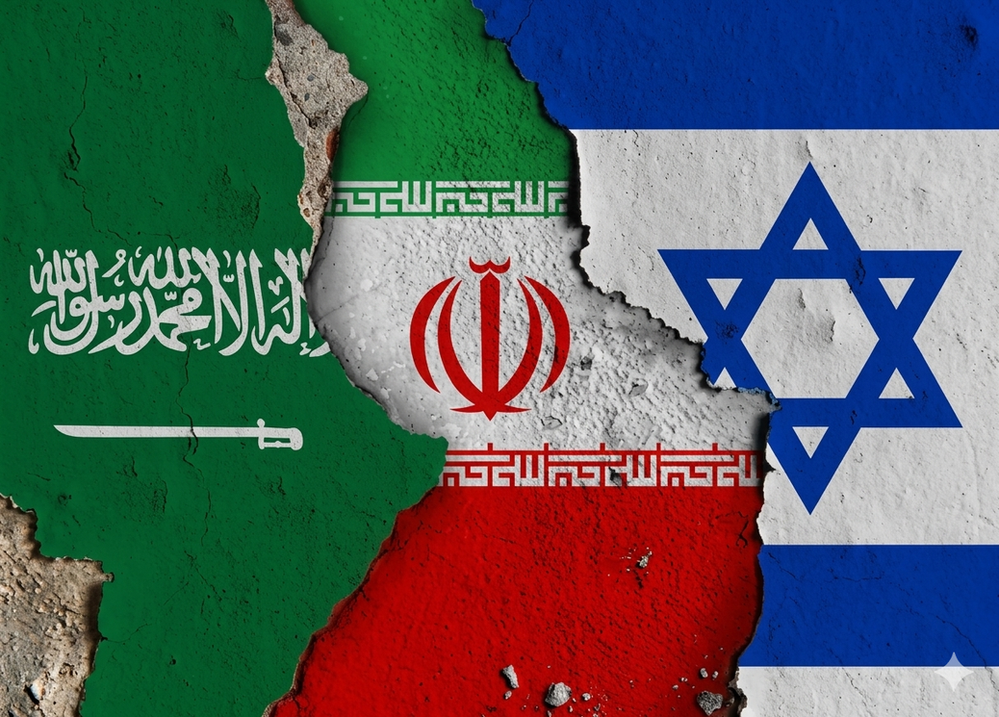
Why Saudi Arabia Must Face Iran Instead of Blaming Israel
By Abdulaziz Alkhamis KSA and Israel When Fear Is Disguised as Wisdom There are articles that do not analyze politics so much as sedate it. They dress fear in the robes of wisdom, put a diplomatic tie on cowardice, and then ask people to applaud the scene as “foresight.” The argument that Saudi Arabia succeeded simply because it did not get dragged in to a war with Iran, and that the entire danger lay in an “Israeli trap,” belongs to this category: of...
The Muslim Brotherhood and the Growing Threat of Transnational Islamist Networks in the Middle East and Africa
How Islamist Movements, Regional Militias, and Weak States Are Fueling Instability Across the Region By Tony Boulos For decades, the Muslim Brotherhood has sought to present itself internationally as a moderate Islamist reform movement shaped primarily by anti-colonial politics, religious conservatism, and social activism. Yet across large parts of the Middle East and Africa, many governments and analysts increasingly view the organization...
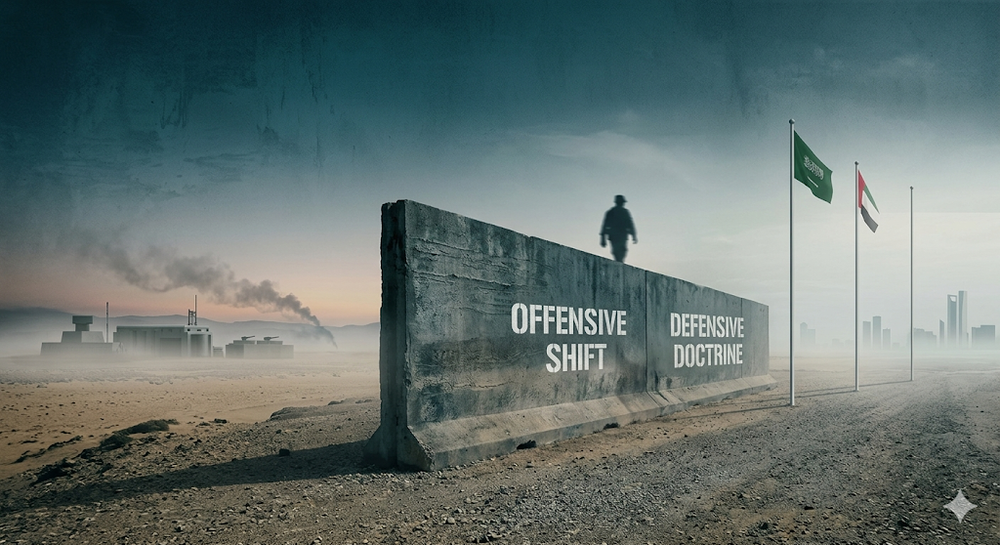
Saudi Arabia and the UAE’s Strikes on Iran Mark a New Gulf Security Doctrine
How Riyadh and Abu Dhabi Are Redefining Regional Deterrence By Ahmed Al Khuzaie AI generated photo describing the issue of the article within a creative image The alleged Saudi and Emirati strikes on Iranian territory in March and April 2026 may represent a historic turning point in Gulf security doctrine. For decades, Gulf states relied primarily on diplomacy, deterrence, and Western alliances while avoiding direct military confrontation with Tehran. That now appears to be changing. Reports...
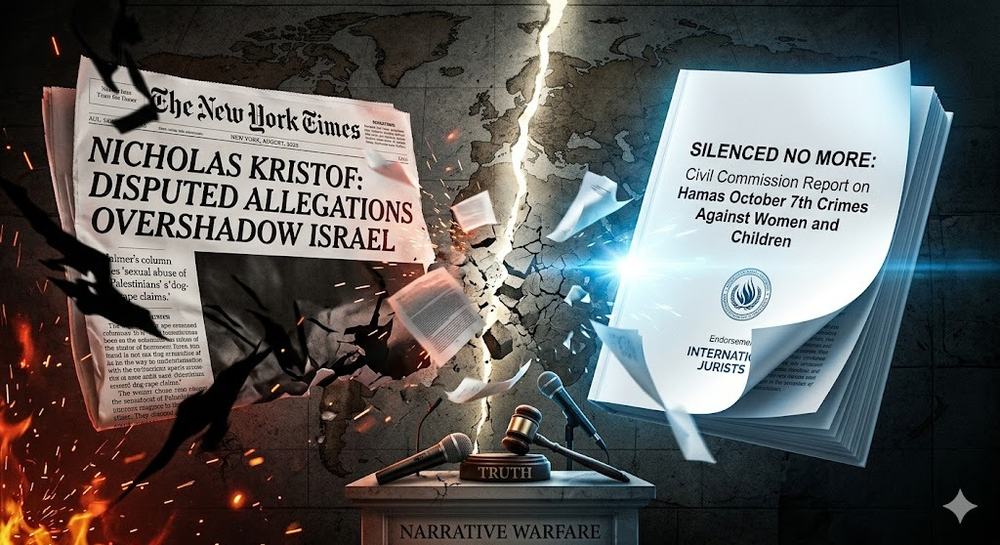
Why Nicholas Kristof’s NYT Column Appeared Just Before the Hamas October 7 Sexual Violence Report
A major report documenting Hamas sexual violence during the October 7 attacks was overshadowed by a New York Times column featuring disputed allegations against Israel. By: Dan Feferman a New York Times newspaper with Nicholas Kristof's column clashing against the official Hamas sexual violence report. Just days before the release of a major report documenting Hamas sexual violence during the October 7 attacks, the New York Times published a Nicholas Kristof column alleging widespread sexual...
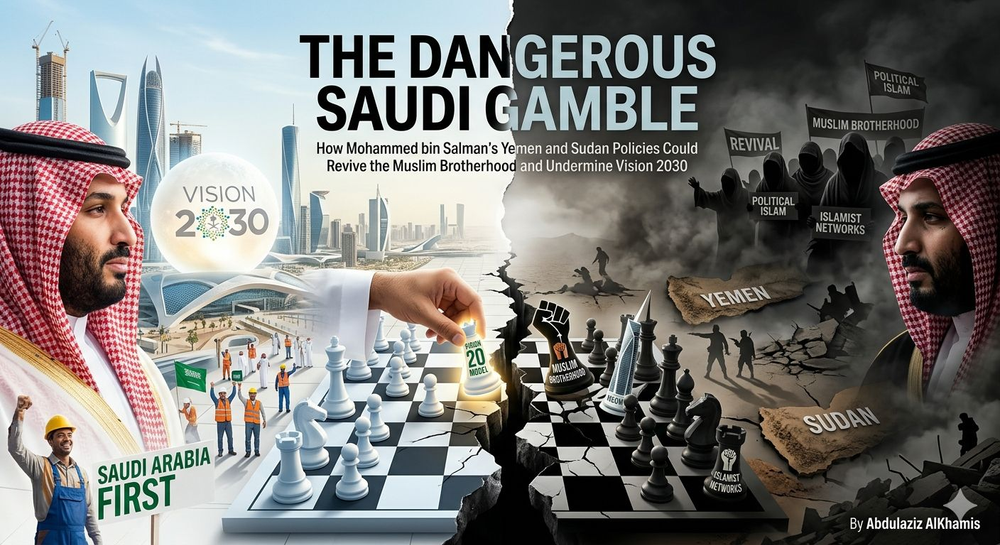
The Dangerous Saudi Gamble
While Saudi Arabia pushes forward with Vision 2030 at home, its tactical alliances in Yemen and Sudan risk sparking a dangerous Muslim Brotherhood revival abroad. Discover why Mohammed bin Salman's foreign policy contradictions might ultimately threaten his entire modernization project.
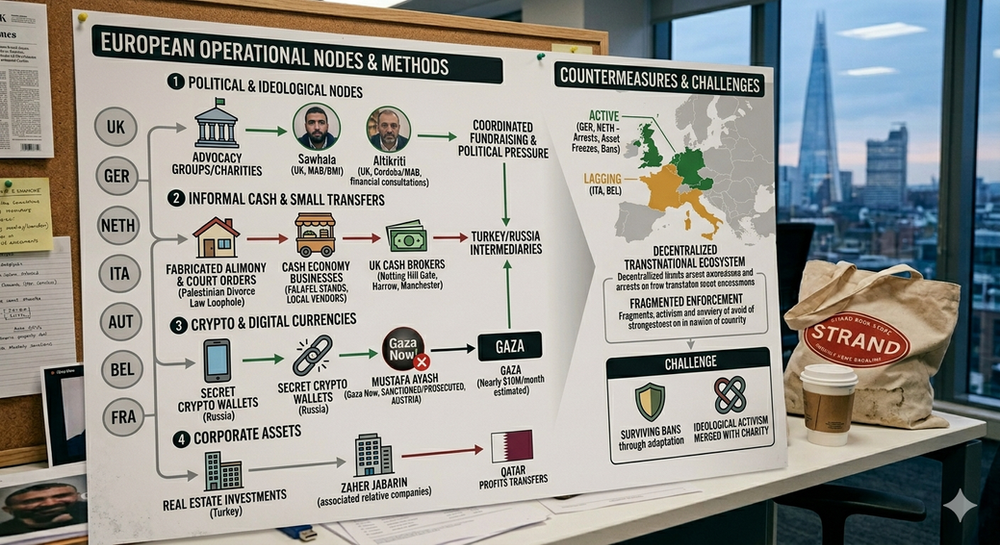
ME24 Exclusive Investigation: Inside Hamas Funding Networks in Europe
Generated AI image of the money laundering process Despite terror bans across Europe, Hamas-linked financial and ideological networks continue operating through charities, cryptocurrency channels, advocacy groups, informal cash businesses, and underground transfer systems. Europe must get serious on these if it actually seeks to halt the flow of cash from Europe to Hamas’ terrorist operations By Moataz Khalil While many European governments officially designate Hamas as a terrorist...
Egypt's Role in the Iran War 2026: Why Cairo Sided With Saudi Arabia and the UAE
The 2026 Iran-US/Israel War showed just how Gulf security, economic dependence, and regime survival continue to shape Egyptian foreign policy under El-Sisi Flags of Egypt, KSA and UAE By Dr. Nervana Mahmoud Egypt’s response to the 2026 Iran-Israel-U.S. escalation revealed the deeper logic driving Egyptian foreign policy under President Abdel Fattah el-Sisi. While Cairo initially attempted to balance diplomacy, mediation, and regional neutrality, Iranian attacks on Gulf states—particularly the...
What Is Iran's "Nuclear Dust"? The Dangerous Stockpile Trump Wants Handed Over
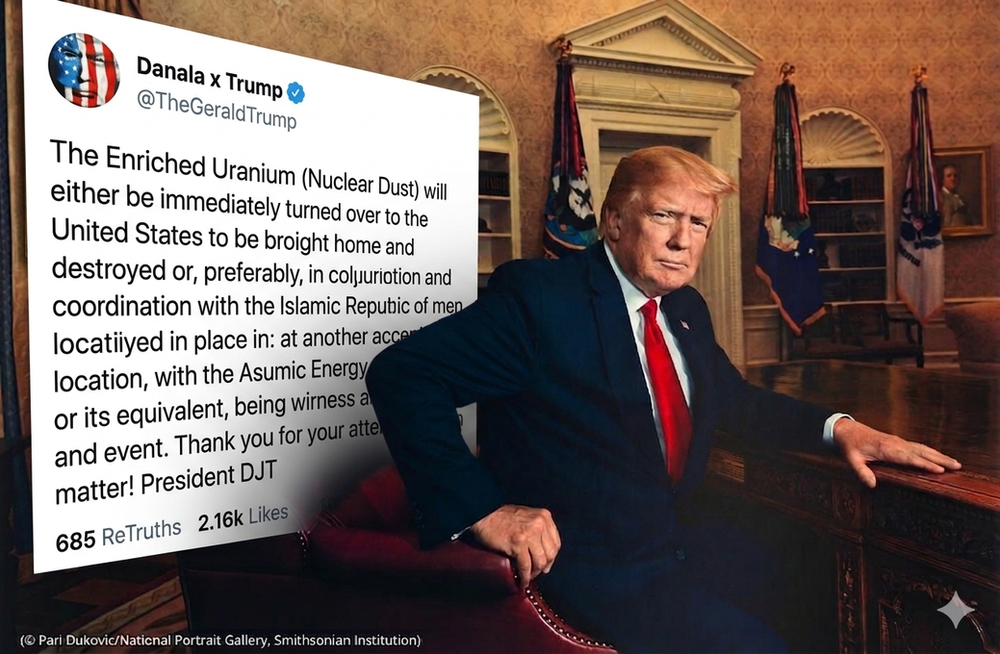
President Trump has repeatedly demanded that Iran surrender what he calls its "nuclear dust." Is he actually talking about “dust”? In reality, he is referring to hundreds of kilograms of highly enriched uranium buried beneath damaged nuclear facilities—a stockpile that could dramatically shorten Tehran's path to a nuclear weapon. Any deal with Iran must take this into consideration. By Dan Feferman AI generated image of Trump and one of its statements Since the February 28 joint...
Hezbollah's Liberation Day and the Forgotten Exile of Thousands of Lebanese
Twenty-five years after Israel's withdrawal from southern Lebanon, Hezbollah continues to celebrate May 25 as a historic victory. Yet for thousands of Lebanese families who fled across the border, it marked the beginning of exile, displacement, and a story Lebanon has never fully confronted. By Tony Boulos AI generated image with the Lebanese flag For more than a quarter century, Hezbollah has portrayed May 25, 2000—the day Israel withdrew from southern Lebanon—as a historic victory and...
Who Is Mohammed Dahlan? Inside the Former PA Security Official's Shin Bet Meeting and What It Means for Gaza
Sources: Dahlan initiated the recent meeting in Abu Dhabi amid growing perceptions among some Emirati officials that his regional political influence is in decline. By Moataz Khalil AI generated photo of Abu Dhabi with a map of the Gaza Strip Inside Israeli and Emirati Thinking on Gaza's Future ME24 Exclusive Analysis: The leaked meeting between Shin Bet chief David Zini and former Palestinian Authority security official Mohammed Dahlan highlights growing Israeli uncertainty over post-war...
The Lebanon-Israel Ceasefire 2026: A Historic Opportunity to Disarm Hezbollah and Free Lebanon from Iran's Grip
The new U.S.-brokered Lebanon-Israel agreement aims to weaken Hezbollah's hold over southern Lebanon, strengthen Lebanese sovereignty, and create a path toward lasting security and stability along the Israeli-Lebanese border. By Hayvi Bouzo AI generated photo of the flags of Israel and Lebanon Inside the Lebanon Israel Ceasefire 2026 Negotiations For the first time in four decades, Lebanese and Israeli diplomats sat across from each other at the U.S. State Department and negotiated directly....

Could an Iran Nuclear Deal Limit Israel's War Against Hezbollah in Lebanon
By Dr. Walid Phares AI photo with the flags of Israel, Lebanon and Iran As Israel intensifies military pressure on Hezbollah in Lebanon, a strategic question is emerging across the region: could ongoing negotiations with Iran eventually limit Israel's campaign against Tehran's most powerful regional proxy? While Washington and Jerusalem remain aligned in their opposition to Hezbollah, recent developments suggest that their priorities may not be identical. For Israel, preventing Hezbollah...
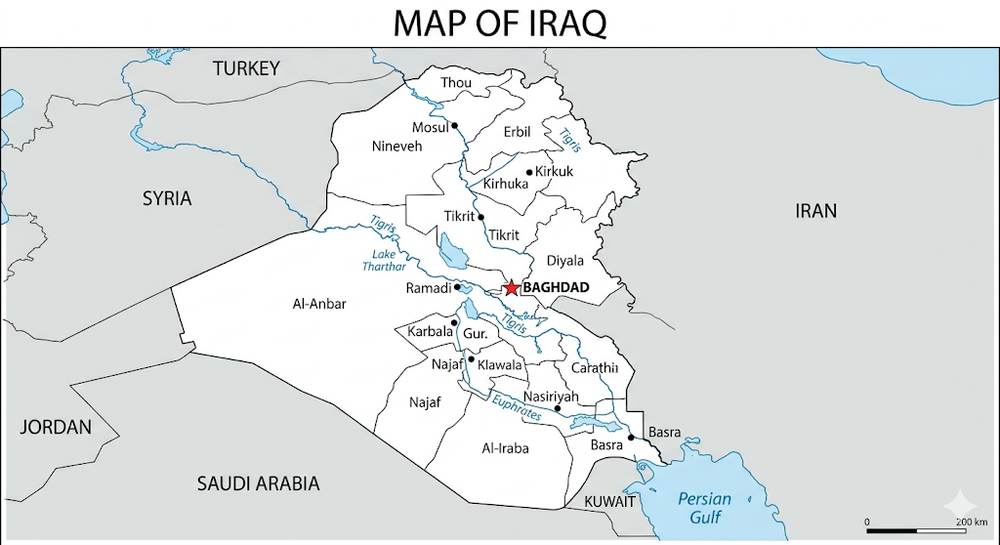
Iraq Moves to Disarm Iran Militia Forces in 2026 While Hezbollah Gets a Pass
Recent moves by Asa'ib Ahl al-Haq and Kataib Imam Ali expose a growing inconsistency in U.S. policy toward Iranian-backed armed groups in Iraq and Lebanon. By Hussain Abdul-Hussain Map of Iraq Iran Militia Iraq 2026: Asa'ib Ahl al-Haq Surrenders Weapons Two of Iraq's most powerful Iran-backed militias, Asa'ib Ahl al-Haq and Kataib Imam Ali, recently agreed to place their weapons under state authority, marking the most significant step yet toward dismantling Tehran's network of armed proxies...
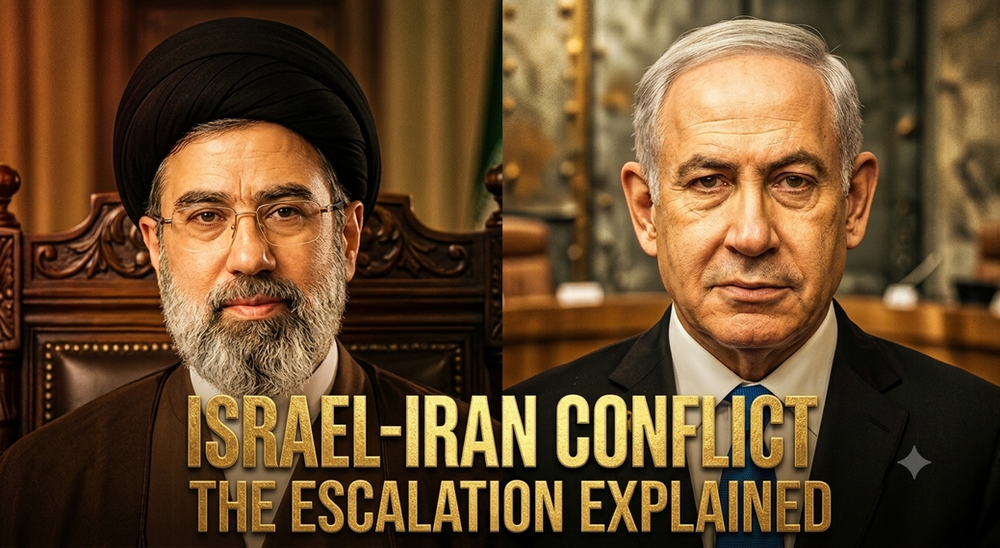
Israel-Iran Escalation Israel-Iran Escalation Explained: Why Did Iran Attack Israel in 2026?
What Stands Behind the Recent Israel-Iran Escalation and Where Is It Headed? A few notes on theater linkage, escalation dominance, deniability, and the U.S.-Israel good-cop/bad-cop dynamic. By Dan Feferman AI generated photo of Bibi Netanyahu and Mojtaba Khamenei Why Did Iran Attack Israel in 2026? The Strategic Logic Behind the Strike. On June 7, Iran launched an unprovoked missile strike on northern Israel, ostensibly in response to Israeli attacks on Hezbollah positions in Beirut. The...
USAID's Sudan Aid Scandal 2026: $850 Million and the War Economy That Runs the Hamas Model Better Than Hamas
By Chama Mechtaly AI generate illustrative image USAID's own Office of Inspector General dropped a damning evaluation on June 1, 2026 — not about a bureaucratic failure, but about what happens when nearly a billion dollars in American taxpayer money enters one of the most sophisticated Islamist war economies on earth with no one watching the door. What the report found was not simple mismanagement, but a failure of oversight so systemic and so conveniently undocumented that it can no longer...
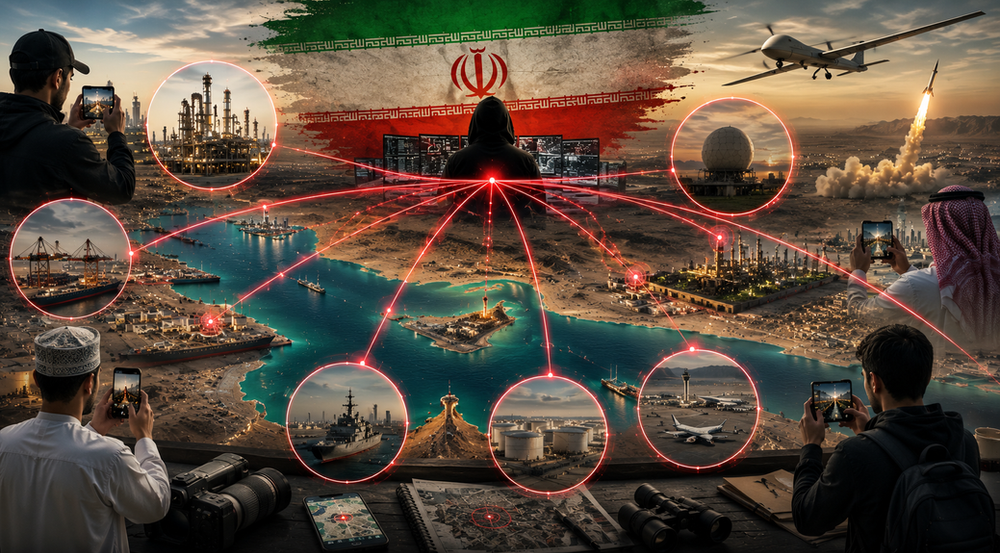
DISMANTLING THE SATELLITE: Inside the Gulf States' Campaign Against Iran's Spy Network of 'Human Radars'
Gulf security officials warn that Tehran is increasingly relying on covert intelligence networks, religious influence channels, and local operatives to support espionage and wartime targeting efforts across the Arabian Peninsula. By Moataz Khalil AI generated photo Since Iran unleashed its latest wave of aggression against the Gulf Arab states, a troubling reality has emerged from the region's security services: Tehran appears to be relying not only on missiles, drones, and proxy militias,...
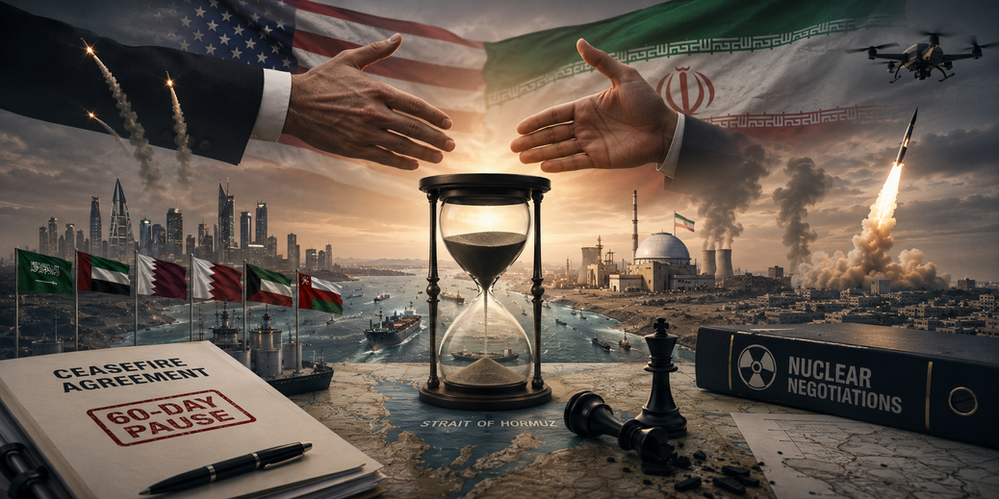
A Pause, Not Peace: Why Gulf States Doubt Iran Will Honor the 2026 US Ceasefire Deal
As the US and Iran move toward a new ceasefire agreement, Gulf states remain skeptical. From the Strait of Hormuz to nuclear negotiations and regional proxies, history suggests Tehran's behavior—not its promises—will determine whether peace lasts. By Najwa AlSaeed Why Gulf States Remain Skeptical of a New US-Iran Ceasefire Deal in 2026 Gulf capitals are watching the US-Iran talks with cautious skepticism, not the kind of optimism you might expect from senior officials saying a deal is likely....
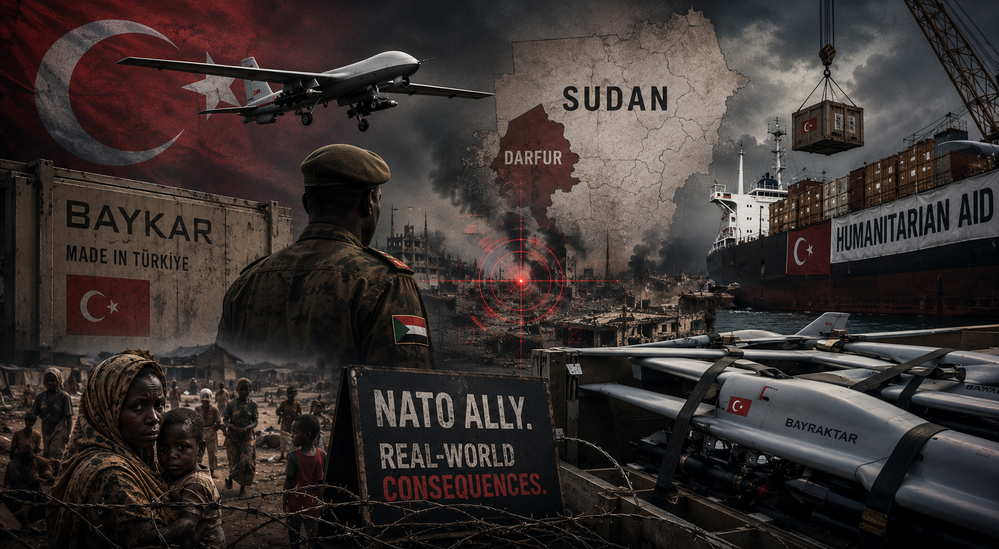
A NATO Ally Turkey Is Arming Sudan's Military Junta. The West Is Looking Away.
While Ankara presents itself as a humanitarian partner in Sudan, Turkish drones and military support are helping sustain a war that has devastated Darfur and displaced millions. By Hayvi Bouzo Somewhere in North Darfur, a family hears a sound they have learned to dread: the low hum of a drone they cannot see and cannot outrun. When it strikes, it may hit a market, a displacement camp, or a home. The drone is a Bayraktar, built in Istanbul by a NATO ally. The country under attack is Sudan. And...
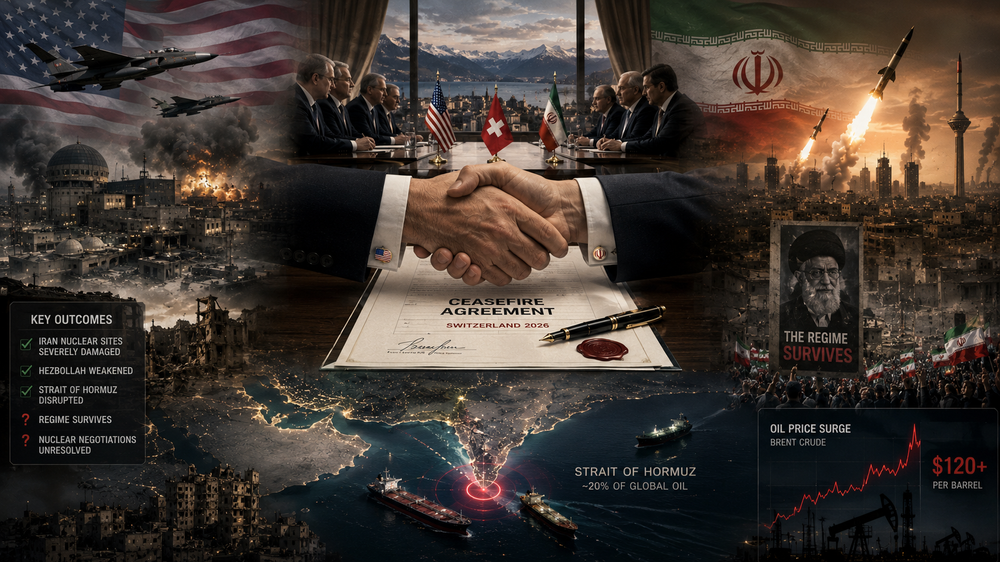
The War That Redrew the Middle East: Military Success and the Unfinished Peace
A strategic analysis of the 2026 Iran–U.S.–Israel conflict, examining military outcomes, regime survival, energy market disruption, nuclear negotiations, and the fragile ceasefire that followed. By Hasaan Pirzada AI generated photo based on the content of the article The guns have fallen silent. On June 15, 2026, the United States and Iran agreed to an immediate ceasefire, with formal documents expected to be signed in Switzerland days later. Before I examine what comes next, I think it's...
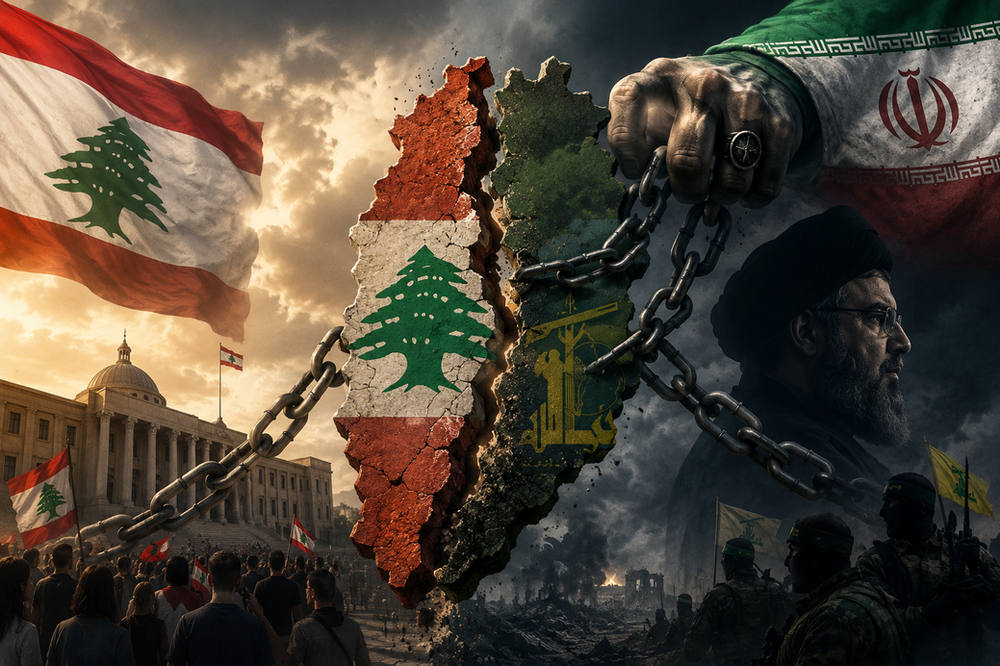
Hezbollah, Iran, and Lebanon's Sovereignty: The Politics of a Phantom Victory
As renewed U.S.-Iran contacts reshape Middle East politics, Hezbollah is portraying the development as a strategic victory. But behind the triumphalist rhetoric lies a deeper struggle over Lebanese sovereignty, Iranian influence, and the future of the Lebanese state. By Tony Boulos AI-generated illustration depicting Lebanon's sovereignty struggle and Iranian influence. There is something deeply revealing about Hezbollah, the Iran-backed movement that spent decades denouncing America while...