top of page

All Posts


Palestinian Local Elections Reveal Growing Demand for Reform and New Leadership
From Gaza to Jenin, voters are signaling frustration with Hamas, Fatah, and the old Palestinian political order By Samer Sinijlawi AI generated image of the logos of Hamas and Fatah with a background photo For the first time in Gaza, power has been transferred from Hamas to a newly elected municipal council in Deir al-Balah. There were no declarations about reconciliation, no dramatic negotiations, and no political theater surrounding the handover. It happened quietly: a ball
Samer Sinijlawi
May 74 min read


Who Is Khalil al-Hayya? Hamas’s New Leader and What His Rise Means for Gaza and Israel
By: Moataz Khalil AI generated photo of al-Hayya Reports from Gaza indicate that Hamas has chosen Khalil al-Hayya (Abu Osama) as its new leader following the death of Yahya Sinwar, defeating his main rival Khaled Mashaal in an internal struggle that reflected competing visions for the movement’s future. The appointment signals continuity rather than change - Hamas seeking to look pragmatic while appointing a real hardliner. While Mashaal has long represented Hamas’s external

Moataz Khalil
May 65 min read


Lebanon’s “Deep State” Is Hezbollah’s Silent Partner — and the Real Obstacle to Reform and Peace
AI generated image of Lebanon's deep state By: Tony Boulos Many observers still reduce Lebanon’s crisis to a single factor: Hezbollah. The assumption is that the country’s paralysis would end if the group’s weapons were removed from the political equation. This interpretation is not only incomplete, it is dangerously misleading. Hezbollah does not operate in isolation. It is sustained by a powerful protection network embedded within the Lebanese state itself: a “deep state” t
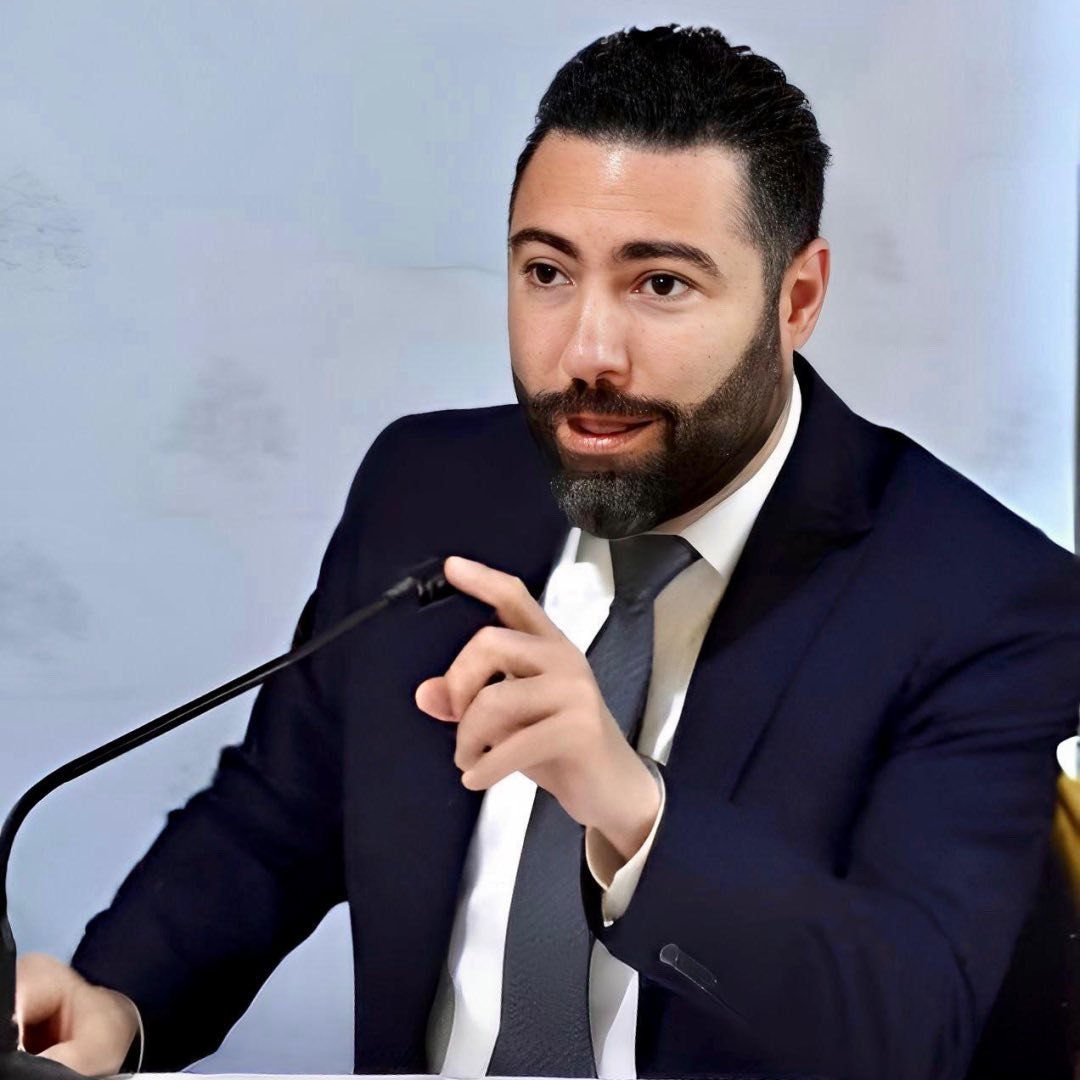
Tony Boulos
May 43 min read


The Fifth D - Dominance for Disarmament in Israel’s Defense Strategy
Is Israel Annexing South Lebanon? Or has it devised a new strategy to defeat Hezbollah and Hamas? By: Dan Feferman Map of the current Israeli buffer zone in southern Lebanon On April 19, nearly 2 months after Hezbollah launched missile and drone strikes on Israel, in defense of its patrons in Tehran, the IDF issued a map showing its new “forward defense line”, a buffer zone some 8-10 kilometers into South Lebanon. Contrary to claims by Hezbollah propagandists and apologists,
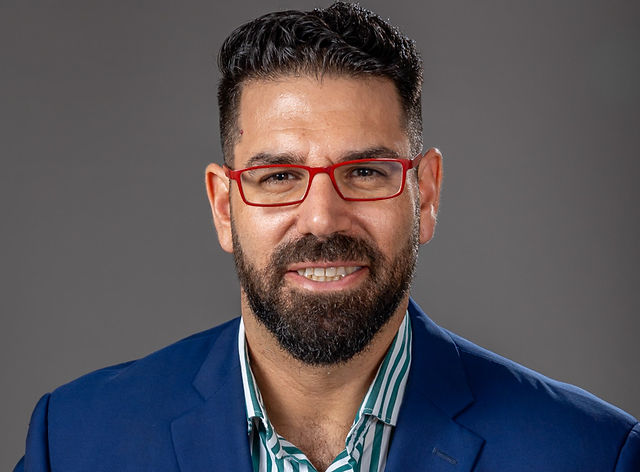
Dan Feferman
May 38 min read


Can the U.S. and Iran Ever Make Peace?
Why Peace between the US and Iran looks impossible and might always be AI generated photo of Iran's and U.S. flags By: Ahmed Khuzaie Anyone following the long confrontation between Washington and Tehran knows that talk of real peace is closer to illusion than reality. After decades of hostility, threats and posturing still define the relationship, while public statements often aim more to shape perception than signal genuine progress. What we’re seeing today is not a serious
Dr. Ahmed Khuzaie
Apr 273 min read


Sudan's War and the Politics of Attention:
How Media Framing Shapes Accountability Sudan's flag By Moataz Khalil In prolonged conflicts, visibility is never evenly distributed. It is structured—by access, by editorial priorities, and by the rhythms of global news production. In Sudan's ongoing war, that structure has increasingly concentrated international attention around one primary axis of reporting, shaping not only how the conflict is understood, but how accountability itself is applied. A significant share of gl
Moataz Khalil
Apr 235 min read


Iran's Red Sea Hedge:
Sudan, Sanctions, and the Geography of Strategic Insurance AI generated photo of a map By Suzan Quitaz Iran's expanding footprint around the Red Sea is often read as an extension of its proxy strategy — opportunistic expansion into weak states and contested maritime corridors. That framing is not wrong, but it is incomplete. What is taking shape is something more structurally significant: a deliberate effort, driven by decades of sanctions pressure, to circumvent logistics co
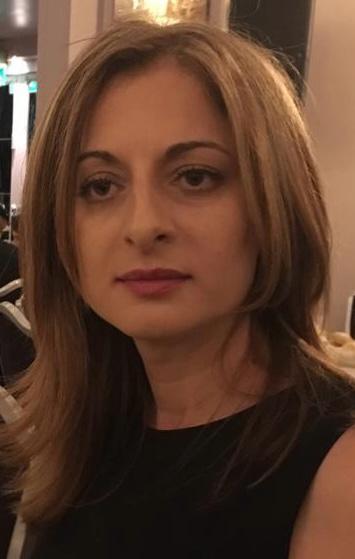
Suzan Quitaz
Apr 226 min read


The Hezbollah-Israel War has Totally Reshaped Hezbollah’s power inside Lebanon
AI generated photo of Hezbollah's flag By: Tony Boulos For years, Hezbollah relied on a governing equation built on coercion: accept its weapons and its role above the authority of the Lebanese state—or face internal unrest and the threat of civil conflict. Over time, this formula evolved from a pressure tactic into a structural instrument of control, activated whenever the state moved toward sovereign decisions that challenged the group’s dominance inside Lebanon. This dynam
Tony Boulos
Apr 196 min read


Hezbollah's Last Argument
AI generated photo with the Lebanese and Hezbollah flag By: Abdulaziz AlKhamis The party has lost its leaders, its base, and its Iranian umbrella. Now it is fighting a different war over who gets to define defeat. On April 14, for the first time in thirty-three years, a Lebanese ambassador and an Israeli ambassador sat across from each other at the U.S. State Department. The meeting, brokered by Secretary of State Marco Rubio, was brief and ceremonial. It produced no agreemen
Abdulaziz Alkhamis
Apr 174 min read
A U.S.–Israel–Iran War Halftime Scorecard: Who’s Winning? What Are the Right Questions to Ask?
AI generated image with the flags of Iran, Israel and the U.S. By most measures, the current U.S.–Israel war with Iran is not over—but it may be at halftime, or perhaps entering the fourth quarter. After five weeks of intense fighting, both sides have paused—and for now, the pause appears likely to hold. Like any contest at halftime, the question is not who has won, but how to read the score—and what it suggests about the second half. The war that began on February 28 with su
Dan Feferman
Apr 179 min read


The “Lebanese Street” Warms up to Normalization with Israel
AI generated image of the Israeli and Lebanese flags A surprising poll offers real hope for normalization between Lebanon and Israel. Conducted by an anti-Western, anti-Israel website with a sample of 500 respondents, the survey found that only 42 percent of Lebanese oppose peace with Israel. Thirty-two percent support normalization, while 25 percent remain undecided. Imperfect as the poll may be, these numbers are remarkably encouraging for advocates of Lebanese-Israeli peac
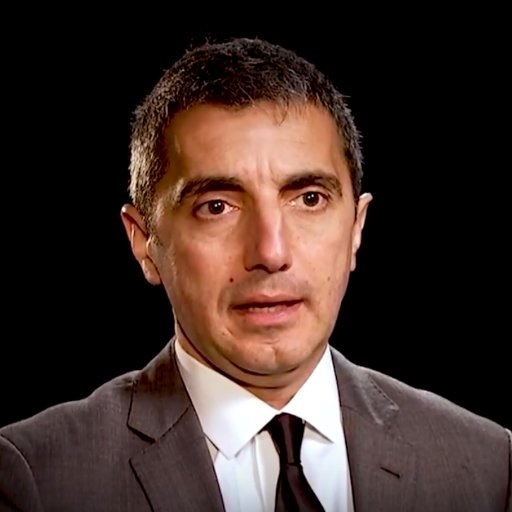
Hussain Abdul-Hussain
Apr 143 min read


Hamas as the modern day “Islamic Assasins”:With a weakened Iran - the Gaza-based Islamist Terror Group Goes from being an Iranian Proxy to a Turkish One
Ḥarakat al-Muqāwamah al-ʾIslāmiyyah (Hamas) flag Since October 7th, and especially following the June 2025 Israel-Iran war, and now the February–April (and possibly ongoing) 2026 US/Israel–Iran war, the Gaza-based Islamist terror group has shifted from Shia Iran to Sunni Turkey as its strategic sponsor. This Turkish support for Hamas, however, has a unique and curious historical parallel. Amid these shifts, the role of armed groups (mercenaries, even if ideologically driven)
Moataz Khalil
Apr 107 min read


An Ambassador Defies the State: Lebanon’s Sovereignty Tested Against Iranian Influence
Tony Boulos is a Lebanese journalist and political analyst specializing in Middle East security and geopolitics. A frequent commentator on Arab and international TV, he provides expert insights into the region’s complex landscape. Boulos is a regular ME24 contributor, delivering strategic analysis on the most pressing issues in the Middle East.
Tony Boulos
Apr 85 min read


The Gulf’s Split Response to Iran
AI generated image of a map of the Gulf region shows several countries with their national flags Iran has emerged as a serious and immediate threat to the Arab Gulf states, yet their responses reveal a mix of anger, caution and strategic hedging. The UAE stands out both as a primary target of Iranian strikes and as the state most visibly shifting toward a more assertive posture against Tehran. Iran’s response to US Israeli strikes has been to widen the battlefield across the
Dr. Najwa AlSaeed
Apr 59 min read


Iran’s New Supreme Leader – From Revolution to Dynasty: A Week 2 Assessment
Dr. Ahmed Khuzaie is a Bahraini political analyst specializing in Gulf Affairs and Iran, Expert and N7 Foundation. He is the author of multiple books and studies, including “Entanglement: A History of Iranian-Bahraini Relations”. He is a regular commentator on international news and a frequent contributor to numerous leading news outlets and think-tanks.
Dr. Ahmed Khuzaie
Apr 14 min read


“We Are Staying”: Christian Border Villages in South Lebanon Reject the War Around Them
South Lebanon — Along Lebanon’s southern frontier, where cross-border hostilities between Hezbollah and Israel have reshaped daily life for months, residents of several Christian-majority villages are making a deliberate and coordinated choice: they are staying. In towns such as Rmeish, Debel, Qlayaa, Ain Ebel, and Marjayoun, local clergy, municipal officials, and families say they do not consider themselves parties to the conflict unfolding around them. Instead, they describ
Tony Boulos
Mar 284 min read


While Others Redraw the Middle East, Arabs Debate the Real Enemy
Three narratives dominate Arab debates on the current war: anti-Iran, anti-Israel, and hostility toward everyone. Each exposes part of the truth—but none offer a coherent Arab strategy. 1️⃣ Traditional diplomacy: Sees the conflict as part of U.S. and Israeli plans to reshape the region. Critiques Washington and Tel Aviv, but often ignores Iran’s decades-long expansion via militias and proxies in Iraq, Syria, Lebanon, and Yemen. 2️⃣ Security-focused: Highlights the direct Iran
MiddleEast24 Staff
Mar 261 min read


Why Lebanon Should Consider Expelling the Iranian Ambassador
AI generated photo of the aerial view of a devastated seaport with smoke, fires, and rubble, as Iranian and Hezbollah flags appear in the foreground. The ongoing US–Iran war has rapidly expanded beyond Iran’s borders, placing Lebanon at the center of a dangerous regional escalation. Although Lebanon is not formally a direct participant in the conflict, the involvement of Hezbollah—one of Iran’s closest allies—has effectively opened a second front between Hezbollah and Israel.
Nervana Mahmoud
Mar 243 min read


From Missiles to Bank Deposits: The Hidden Power Struggle in the Middle East
AI generated photo about the issue explained in the article Wars in the Middle East do more than test military power — they expose the fragile economic foundations behind regional alliances. Recent reports from Pakistan reveal that Islamabad has sought major financial support from Saudi Arabia, including converting a $5 billion Saudi deposit into a long-term facility, expanding deferred oil payments, and securing financial guarantees for international borrowing. Behind these
Abdulaziz Alkhamis
Mar 242 min read


Iran and the Moroccan Sahara: Will Washington Designate the Polisario as a Terrorist Organization?
A news-style illustration depicts a geopolitical map of North Africa and the Sahel, with symbols of the U.S., Iran, and armed groups, highlighting rising tensions, security concerns, and debates over potential terrorist designation. A bill introduced in the U.S. Senate could open the door to designating the Polisario as a terrorist organization, amid rising tensions with Iran and growing security concerns in North Africa and the Sahel. For decades, the Western Sahara conflict
Youssef Jajili
Mar 245 min read
bottom of page